
The latest XLSTAT release introduces major sensory analysis upgrades including Multiblock Clustering and Ultra Flash Profiling, for more accurate and efficient data interpretation. Enhancements to clustering, PLS-PM, and power analysis give users greater precision across studies. Plus, the new MyLumivero integration simplifies license access and account management in one streamlined platform.
Sensory data is complex—but your tools don’t have to be. Developed by XLSTAT’s in-house R&D team in collaboration with leading sensory scientists, the latest release delivers major advancements in sensory analysis—including powerful new methods like Multiblock Clustering and Ultra Flash Profiling, an improved Noise Cluster algorithm, and performance upgrades across key tools.
These features in XLSTAT empower analysts to explore, cluster, and interpret sensory data with unmatched clarity, speed, and precision. And with the new MyLumivero integration, managing software access and licenses is streamlined, secure, and centralized—putting everything in one place so you can stay focused on insights, not admin work.
Check out the key feature capabilities in this release and how they’ll help you transform data into real-life innovation:
New in Rapid tasks, Multiblock Clustering uses the ClusMB algorithm to perform clustering while accounting for multi-block data structures. This allows for easier and more accurate clustering of products in sensory studies by considering similarities in grouping between assessors.
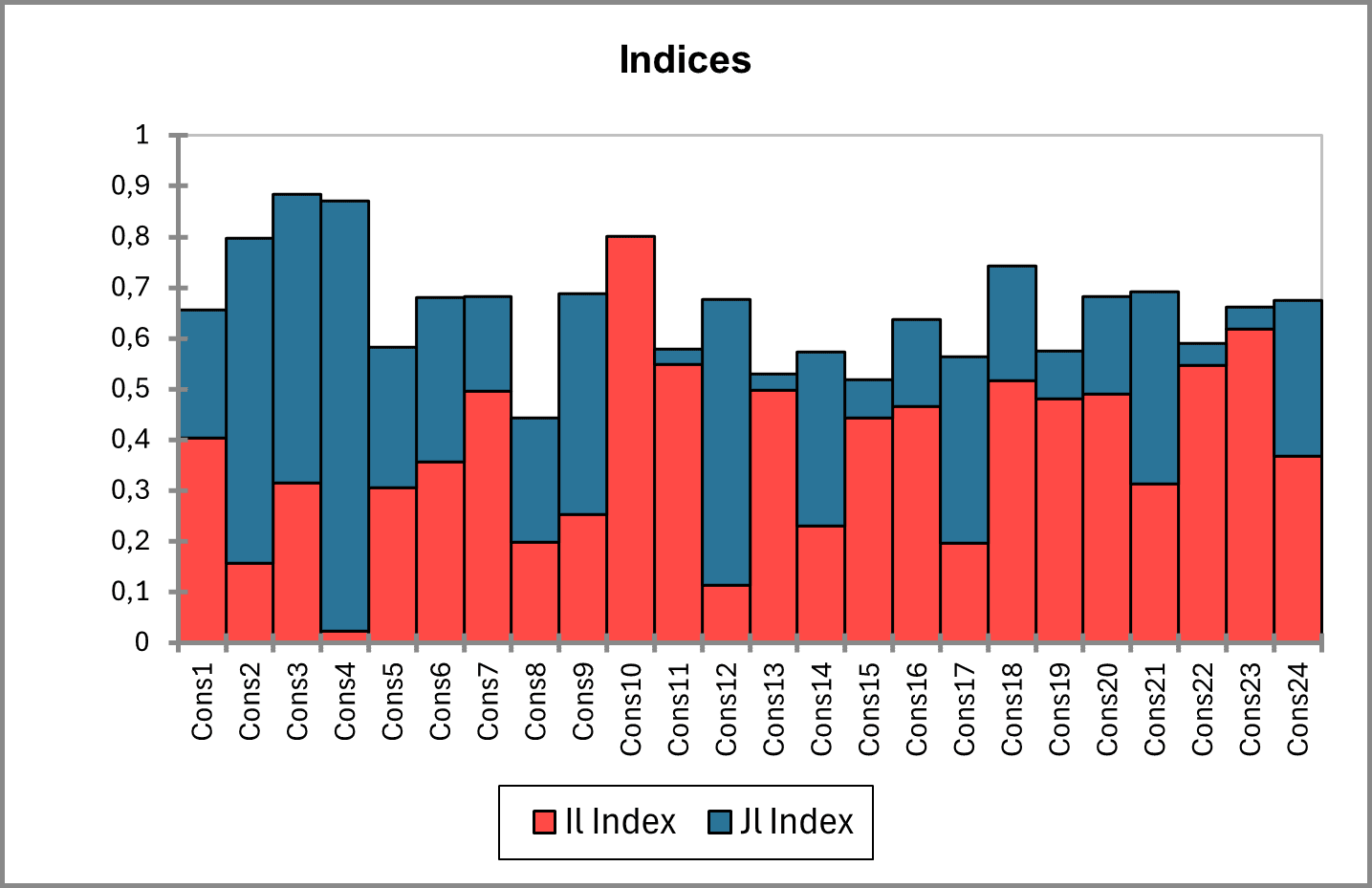
Integrated indices let you access two powerful clustering indices to evaluate and interpret your partitioning results.
Now available as an option in projective mapping analyses, Ultra Flash Profiling, a descriptive profiling method, and projective mapping can now be combined within a single analysis. This approach allows you to quickly characterize products during projective mapping, capturing both perception and descriptive dimensions.
Image caption and alt. text: When using Multiple Factor Analysis (MFA), you can now add descriptors via a dedicated “Descriptors (Ultra Flash Profiling) field.
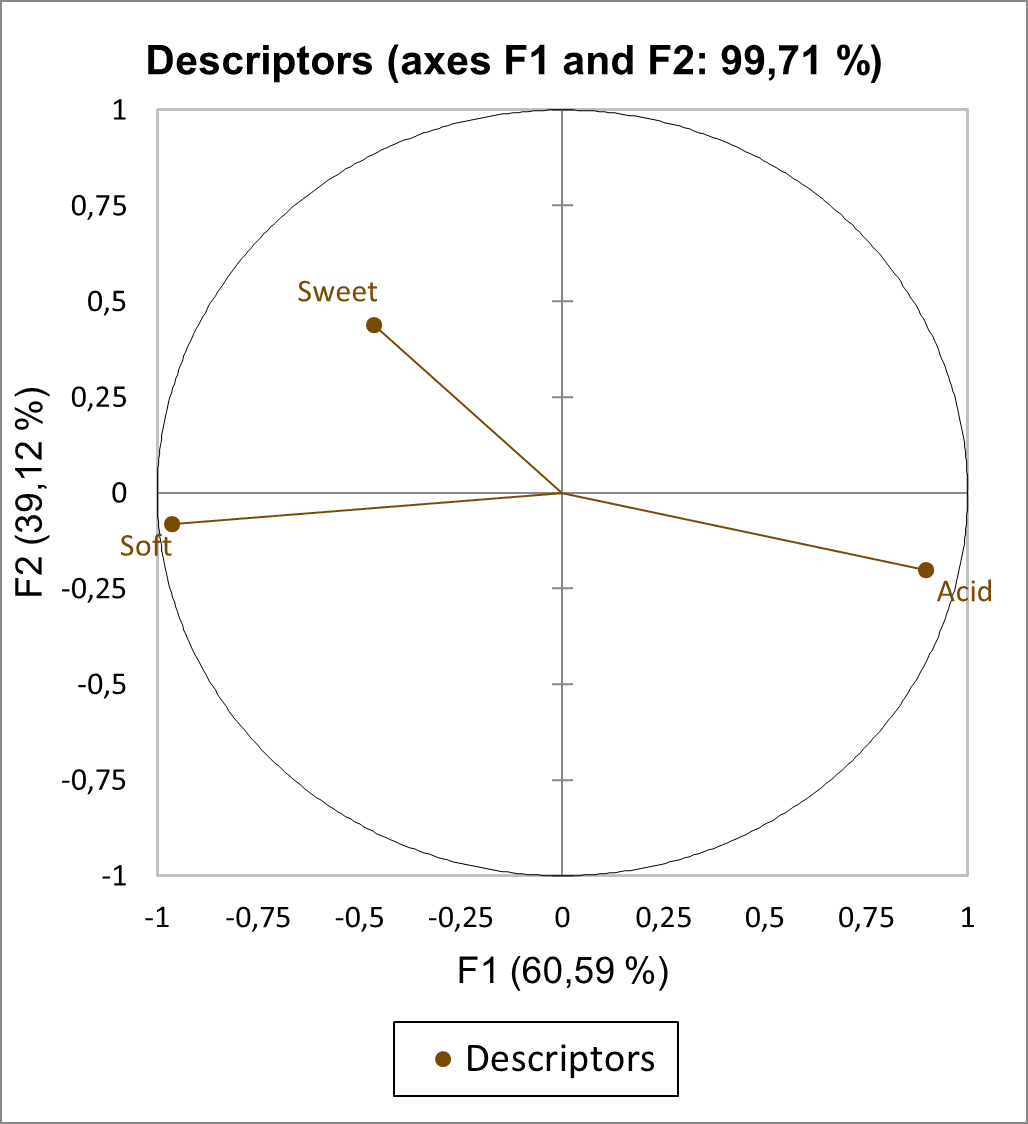
When using Multiple Factor Analysis (MFA), you can now add descriptors via a dedicated “Descriptors (Ultra Flash Profiling) field.
As a new option “automatic threshold per group” in CLUSTATIS, CLUSCATA, JAR clustering, and RATA, this feature allows you to better take in account the structure of the partition. The result is cleaner, more reliable clustering by isolating atypical respondents or data blocks.
With a new algorithm and UX improvements, PLS-PM now delivers optimized performance and ensures high-quality computations and results. These upgrades deliver fast, reliable insights into complex data relationships, even with small datasets.
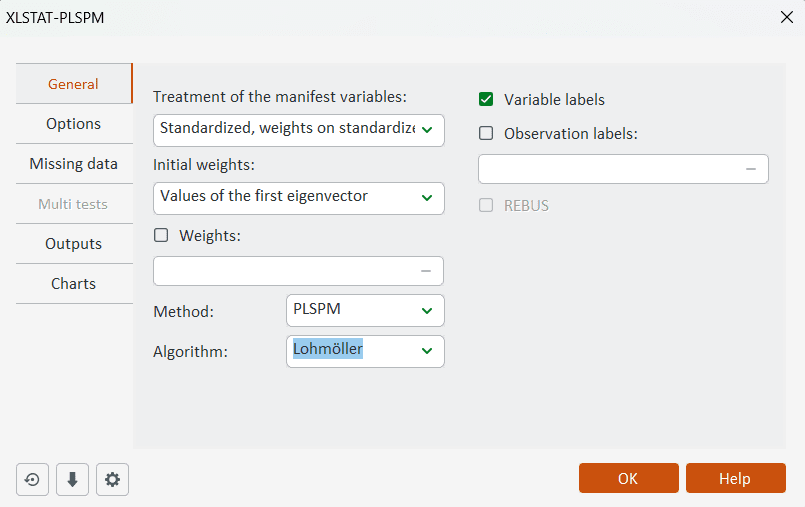
A new dedicated dropdown button in the user interface now allows you to easily choose between two powerful PLS-PM algorithms, Lohmöller and Hanafi-Wold.
Power analysis is now available across all XLSTAT packages, giving every user access to tools that ensure statistical significance. Whether you're planning a clinical trial or a consumer study, this feature helps you determine the right number of participants to obtain meaningful results with confidence.
With this release, XLSTAT is moving to MyLumivero—a switch that will make your experience simpler and more intuitive. With MyLumivero, you’ll be able to manage your XLSTAT license, view your orders, and access everything in one place—no more switching between platforms.
Here’s what to expect with MyLumivero:
If you already have an XLSTAT license, it will be moved over automatically. To activate your account, just reset your password the first time you log in.
Already an XLSTAT user? Update now to start exploring the new sensory features.
New to XLSTAT? Buy now to experience what happens when statistical power meets sensory science.
Run expert-level sensory analyses in minutes with our free XLSTAT Sensory Toolkit—including 6 ready-to-use templates and guided tutorials.
Inside the toolkit, you’ll learn how to: