









Key takeaways
Most large-scale shipbuilding programs don't struggle because of a lack of data or expertise; they struggle because critical information is fragmented across systems, teams, and organizations. Without a connected view, risks and interdependencies remain hidden until they've already affected delivery. Managing risk on a vessel-by-vessel basis isn't enough when shared suppliers, production sequencing, and engineering timelines are all tightly linked. When @RISK, Predict!, and SharpCloud work together, leaders gain the ability to quantify uncertainty, detect emerging strain early, and evaluate trade-offs with full awareness of downstream consequences—turning reactive firefighting into proactive, controlled decision-making.
Large-scale shipbuilding programs don't fail because of a lack of expertise. They struggle because complexity outpaces visibility.
In today's environment, where delivery timelines, supplier capacity, and funding commitments are under constant pressure, the gap between what's happening and what leaders can see is exactly where risk grows.
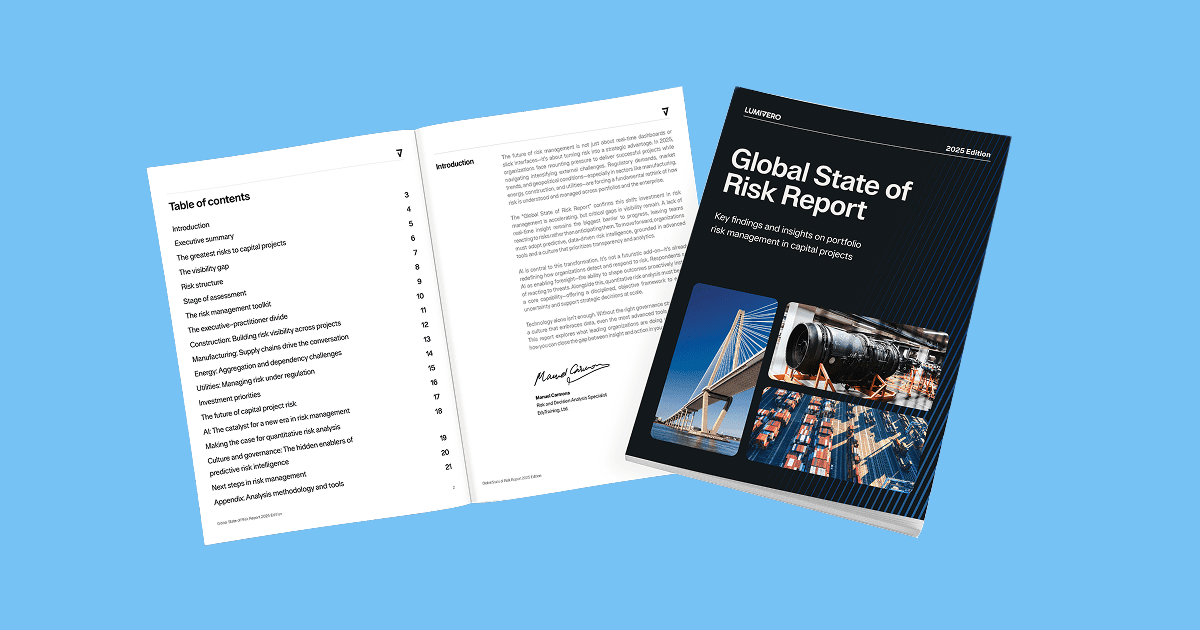
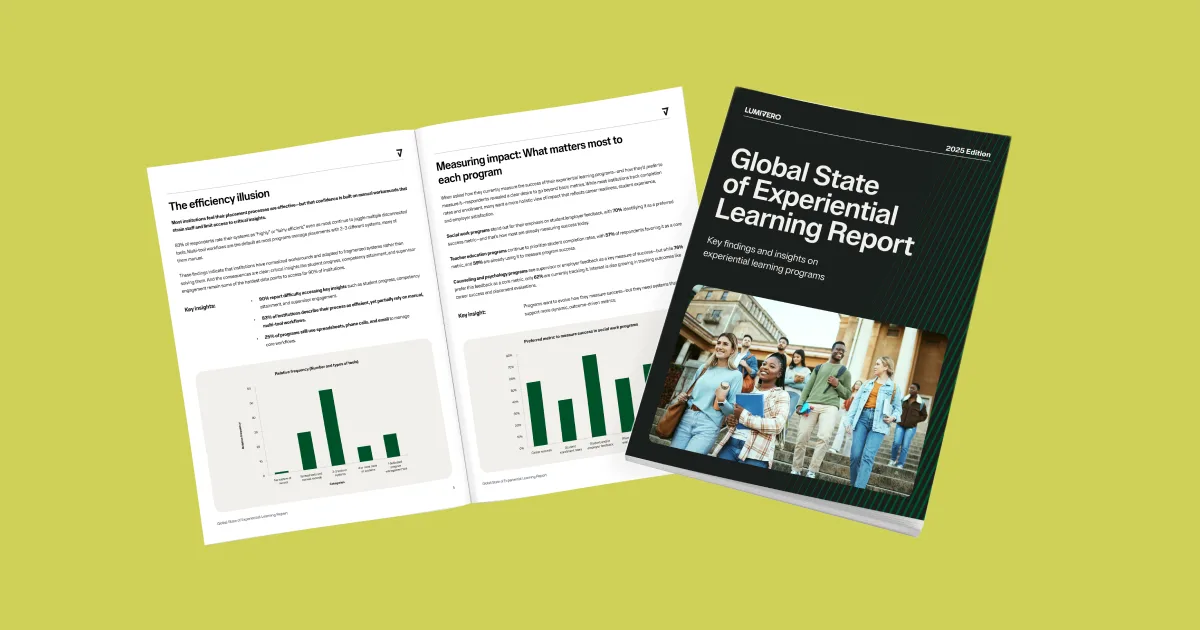
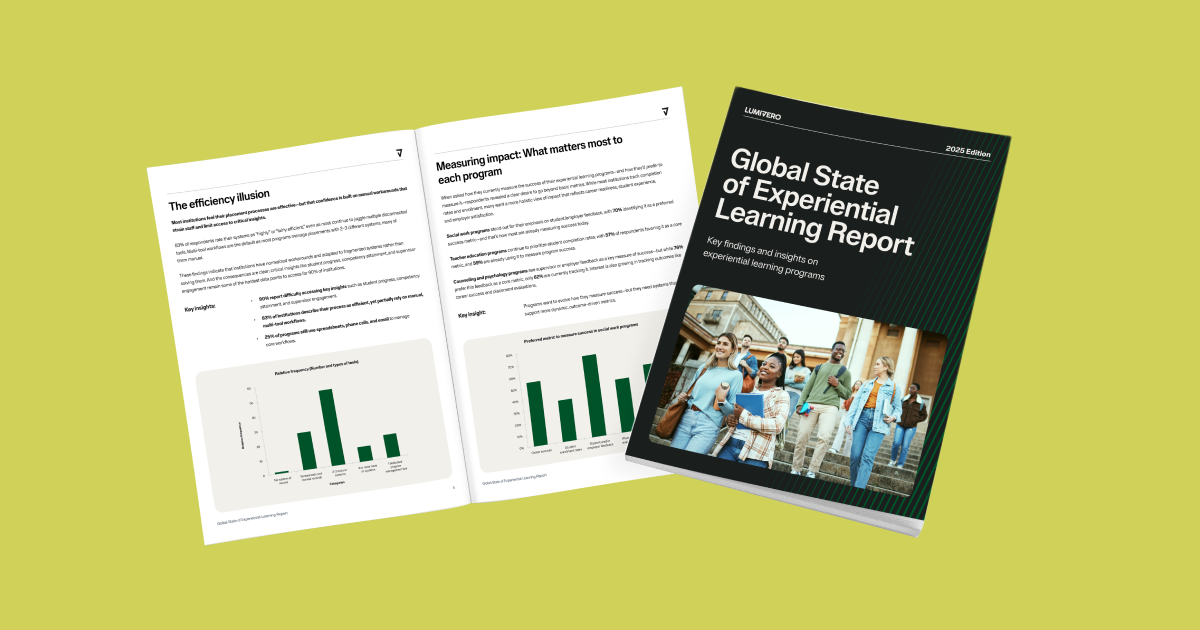
According to Lumivero's “Global State of Risk Report 2025,” this challenge isn't unique to shipbuilding. 40% of organizations cite a lack of real-time visibility as their biggest portfolio risk challenge, and only 12% manage risk at the portfolio level. The tools most teams rely on—spreadsheets, disconnected trackers, static reporting—were built for a simpler environment than the one they're now navigating.
That gap has real consequences. When Babcock International integrated probabilistic cost and schedule analysis into their delivery framework, they recovered 2% of project delivery margin across their portfolio. The shift was clear: going from fragmented tracking to connected, defensible decision-making directly impacted delivery performance.
From the “Global State of Risk Report 2025”
- 40% cite lack of real-time visibility as their #1 portfolio risk challenge
- Only 12% manage risk at the portfolio level
- 42% still rely on spreadsheets as their primary tracking tool
- 74% plan to increase investment in risk capabilities
See how leading organizations are evolving their approach to portfolio risk.
The execution environment
PEO Ships oversees a portfolio defined by complexity and interdependence. Multiple ship classes move through distributed shipyards, supported by a shared industrial base. Schedule performance, supplier capacity, engineering integration, and funding alignment are tightly linked—when one part shifts, the impact doesn’t stay local. It ripples.
Surface ship production today operates at scale and under scrutiny. Fleet commitments are visible. Industrial base capacity is uneven. Engineering modernization continues alongside active construction. Small disruptions, such as a supplier delay or a design change, can ripple across hulls and procurement profiles before their full impact is understood.
Executive decisions must often be made quickly. In an environment where schedule variance triggers Nunn-McCurdy reporting thresholds and EAC growth draws OSD scrutiny, those decisions carry consequences well beyond the program office.
- Adjust production sequencing
- Reallocate constrained suppliers
- Accept cost pressure to protect milestones
The data to inform these decisions exists,but it lives across systems, teams, and organizations, rarely connected in a way that clearly shows consequences across the portfolio.
The challenge is not effort or expertise. It is enterprise-level visibility. At scale, fragmented insight increases exposure. Delivery confidence depends on seeing interaction effects early enough to act with control.
The problem with fragmented risk management
The issue isn’t that organizations lack risk processes. Most do.
The problem is that risk is still managed in isolation.
When risk is tracked on a vessel-by-vessel basis, the portfolio loses sight of shared exposure. A supplier that appears as a moderate risk in three places may actually represent a critical vulnerability. An engineering bottleneck affecting multiple hulls may go unnoticed until it impacts delivery.
Lumivero's “Global State of Risk Report 2025” highlights another important dynamic: a disconnect between leadership and reality. Executives are 2.5x more likely to rate their risk programs as “extremely effective” than the teams managing them day to day.
In environments like shipbuilding, that gap isn’t theoretical. It’s a delivery risk.
Strengthening enterprise-level control
Protecting delivery at scale isn’t about more reporting. It’s about better decisions.
That requires a connected approach, one that brings together uncertainty, predictive insight, and operational context.
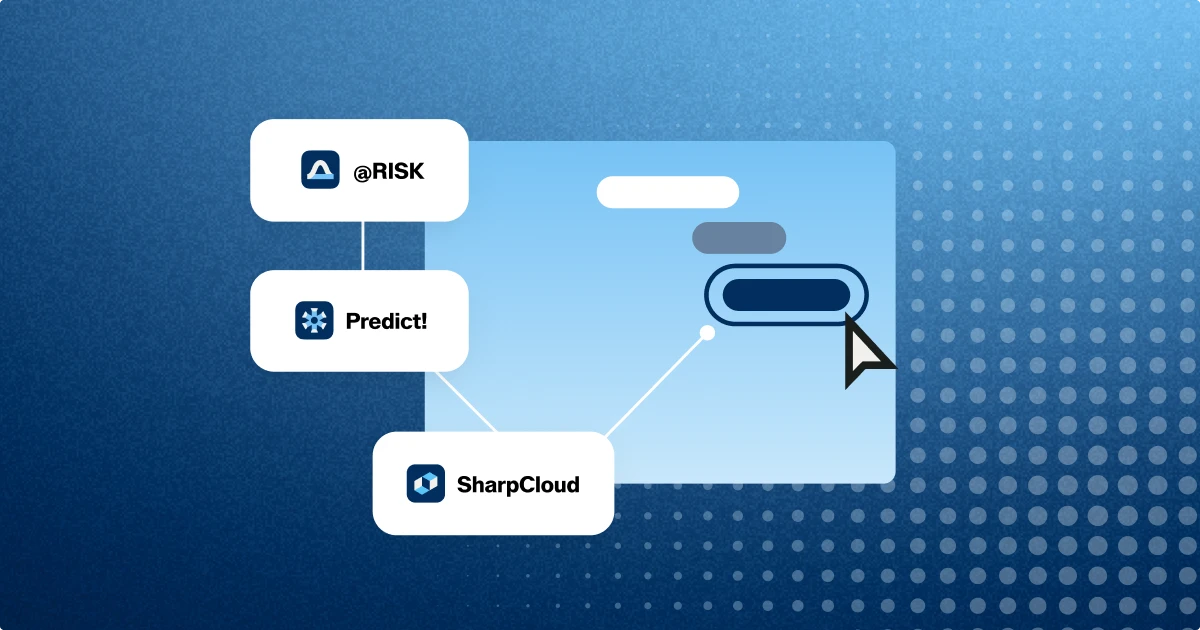
Lumivero’s decision solutions does exactly that, combining three complementary capabilities into a single execution framework:
@RISK: Making uncertainty measurable
@RISK introduces probabilistic modeling into cost and schedule analysis.
Instead of relying on fixed estimates, it uses Monte Carlo simulation to show delivery confidence as a range, highlighting both likelihood and key risk drivers. For NAVSEA programs operating under EVMS requirements, @RISK extends that analysis into ScheduleRiskAnalysis, giving program offices a probabilistic view of milestone confidence that directly supports DAES and SAR reporting cycles.
This changes the conversation from "Will we hit the date?" to "What's the probability, and what's driving the risk?" Leadership gains a clearer understanding of exposure within existing program structures, grounding decisions in quantified uncertainty rather than assumptions.
Predict!: Turning risk into decision-ready insight
Predict! strengthens early warning by identifying emerging patterns of variance in schedule performance and supplier stress.
Rather than discovering issues after they've affected Integrated Baseline Review commitments, leadership can see trajectory shifts while mitigation options are still available. In the lead-up to an IBR, that early warning capability gives program offices the time to course correct before schedule variance becomes a reportable breach.
It also standardizes how risk is captured and managed across the portfolio, making it comparable, governable, and easier to act on. For programs subject to ANSI/EIA-748 compliance, Predict! structures risk data in a way that is traceable, auditable, and aligned with the oversight expectations of OSD and Congressional reviews. This matters because most organizations are still operating with fragmented tools. Predict! closes that gap, moving risk from documentation to active decision support.
SharpCloud: Connecting everything into a decision environment
Once risk is quantified and structured, it needs context.
SharpCloud connects data across the enterprise, bringing milestones, supplier dependencies, resource allocation, engineering readiness, financial exposure, and risk relationships together in a single interactive environment.
Rather than waiting for the next DAES cycle or program review to surface what leadership already suspects, teams can:
- See how hull schedules, supplier dependencies, and engineering readiness connect across the portfolio, including second and third tier supplier exposure at yards like Bath Iron Works and Ingalls where capacity constraints are actively managed across multiple ship classes.
- Understand how risks propagate across shipyards before they affect delivery
- Explore trade-offs between cost, sequencing, and industrial base capacity before committing
As highlighted in “The Guide to Intelligent Decision-Making Across Project Portfolios,” the real question isn’t “what’s the status?, it’s “what’s connected?”
What this means for fleet commitments
When these capabilities work together, the nature of program oversight changes.
Leaders are no longer reconciling competing reports. They are working from a shared, connected view—one that shows where the exposure is, what is driving it, and the downstream impact before decisions are made.
This improves delivery confidence in practical ways:
- Risks are identified earlier. Delivery confidence improves because uncertainty is quantified and emerging strain is detected before it reaches the baseline.
- Supplier vulnerabilities surface sooner. Shared suppliers and production sequencing pressures are evaluated together rather than in isolation, enabling deliberate mitigation rather than reactive correction.
- Dependencies are understood before they fail. Interactions across hulls and shipyards become explicit, giving leadership room to maneuver before constraints propagate across follow, on hulls.
- Trade-offs become clearer. Cost, schedule, engineering readiness, and industrial base capacity can be assessed together in a single decision environment, reducing ambiguity and strengthening alignment across program offices and shipyards.
- Oversight credibility increases. Delivery projections grounded in quantified analysis and connected operational context reinforce confidence in fleet commitments at senior review levels—exactly the kind of defensible, boardroom-ready risk input Predict! is designed to produce.
Closing the gap between signal and action
At scale, success depends on how quickly organizations can move from insight to action.
The challenge isn’t identifying risk; the data already exists. It’s understanding how risks connect, what they impact, and what to do next.
Lumivero’s approach brings this together as a connected decision engine:
- @RISK quantifies uncertainty
- Predict! structures and governs risk
- SharpCloud connects everything into a shared decision environment
Together, they shorten the distance between the emerging signal and executive action.
In an environment where fleet commitments are highly visible and delivery pressure is constant, that isn’t just useful—it’s essential.
Elevate your portfolio risk management with Lumivero
See how your team can use @RISK, Predict!, and SharpCloud to strengthen schedule confidence, support EVMS compliance, and protect fleet commitments at every phase of delivery. Request a conversation with our defense solutions team.